
LIFT INSTALLATIONS
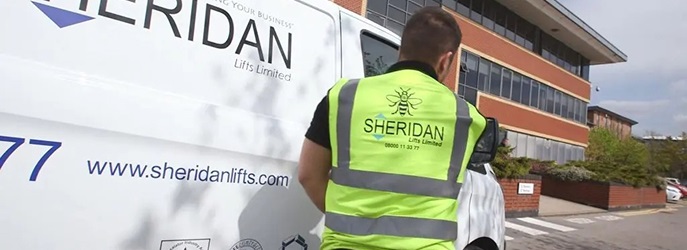
Sheridan Lifts are an independent installation partner that construction teams and end clients rely on time and time again, backed by over 40 years of proven experience.
THE LIFT INSTALLATION PARTNER BUILT FOR CONSTRUCTION
We know that every day counts in construction. That’s why we work side by side with contractors, project managers, and developers to keep projects on track without compromising on quality. Our independence means we’re free to recommend the best lift solution for your project, not one dictated by a single supplier. With a nationwide presence, we’re ready to mobilise wherever your project demands. Backed by 40+ years of experience, we provide end-to-end project management, from survey to handover, giving clients complete confidence in a partner that can demonstrate a strong depth of expertise.
- Open-protocol equipment for maximum flexibility — no supplier lock-in on parts.
- End-to-end project management, handled in- house, never subcontracted.
- Fully ISO accredited systems and processes, LEIA affiliated.
- 200+ successful installations every year, nationwide mobilisation.
TYPES OF LIFTS WE INSTALL
The lift most buildings need.
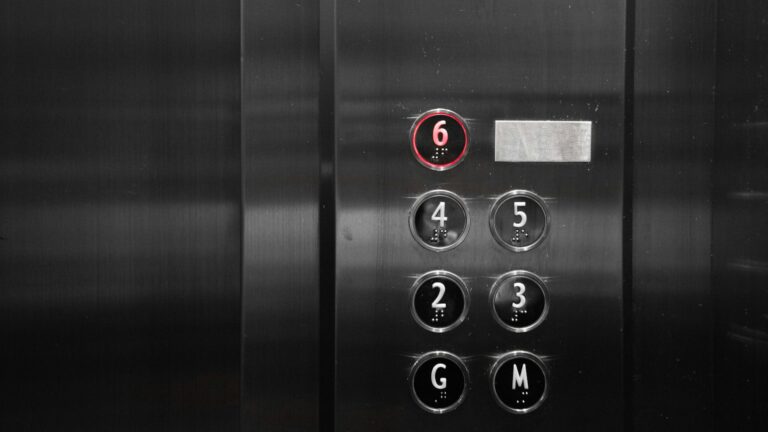
Traction, machine room-less or hydraulic passenger lifts for apartments, offices and public buildings, specified to your shaft and traffic rather than a catalogue.
Offices, apartments, public buildings
Traction, MRL or hydraulic
Open protocol
EN 81-20/50
Built for loads, not just people.
Goods passenger lifts and compact service lifts for warehouses, retail and commercial kitchens, sized to the loads and trolleys you move every day.
Warehouses, retail, back of house
Pallets, trolleys and stock
Traction or hydraulic
EN 81-20/50
Small lifts that save a lot of stairs.
Bespoke dumbwaiters and automatic service lifts for restaurants, hotels and healthcare, moving food, linen and supplies between floors.
Restaurants, hotels, healthcare
Food, linen and supplies
Counter or floor level
Machinery Regulations
Built to keep working when it matters most.
Firefighting and evacuation lifts that give fire crews and occupants a safe, controlled route between floors in an emergency.
High-rise, healthcare, public buildings
Firefighting and evacuation
Secondary supply
EN 81-72 / 81-76
More parking from the same footprint.
Vehicle lifts that move cars between levels in commercial and residential developments where a ramp would take up too much space.
Residential and commercial parking
Vehicles
Traction or hydraulic
EN 81-20/50
A lift that becomes part of the architecture.
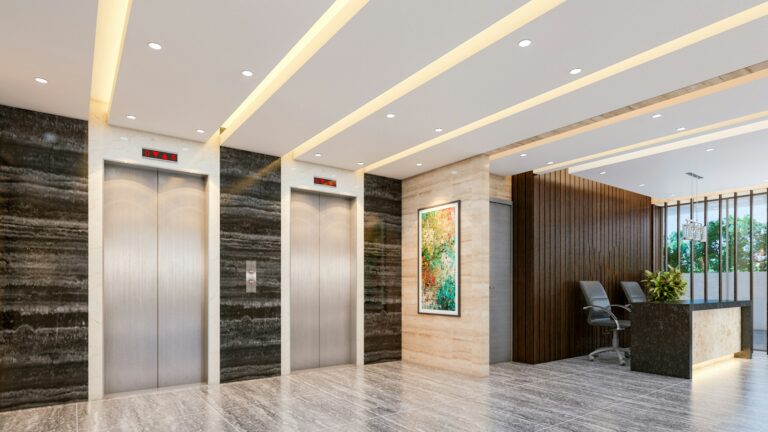
Glass and scenic lifts for hotels, shopping centres and offices, combining an open, contemporary design with full safety and performance.
Hotels, atria, shopping centres
Glass car and shaft
Traction, MRL or hydraulic
EN 81-20/50
All the machinery, none of the machine room.
Machine room-less lifts with the drive inside the shaft, freeing up floor space and cutting construction costs on new builds and refurbishments.
New builds and refurbishments
Not required
Gearless traction
EN 81-20/50
When a standard model won’t fit the bill.
Custom-built lifts for demanding environments, designed, made and installed to your exact architectural and aesthetic requirements.
Listed buildings, unusual shafts
Built to your specification
Specified to the building
EN 81-20/50
NEED SOMETHING BESPOKE?
Lift leasing spreads payments over a longer period so a capital-heavy project does not stall on the upfront cost. Same equipment, same aftercare.
- The type of lift required for your specific application.
- The number of floors the lift will serve across the building.
- The physical dimensions of the car and the available shaft space.
- Whether planning permission is required, or the building is listed.
- Whether a builder’s-work shaft exists, or we are supplying the structure.
- Programme constraints — out-of-hours, phased, or work around a live building.
Survey to handover, all in-house.
No subcontracted project management, no finger- pointing between suppliers. One team, one point of contact, start to finish.
-
Free survey Week 0An engineer, not a salesperson, measures what is actually there — shaft, supply, traffic, headroom, pit depth and access route for the equipment.
-
Specification & quote Week 1We recommend the right lift for the building and talk you through transparent pricing — including lift leasing if the upfront cost is the obstacle.
-
Design & approvals Week 2-6Drawings, structural coordination, planning permission where the shaft is external or the building is listed, and sign-off before anything is ordered.
-
Manufacture & delivery Lead TimeOpen protocol equipment ordered against the approved drawings, with delivery sequenced to your programme rather than ours.
-
Installation On SiteProgrammed around the building — out of hours, phased, or live around a working ward. Our own project manager on site throughout.
-
Handover & aftercare Day OneCommissioning, LOLER thorough examination, declaration of conformity, full documentation, and a maintenance contract that starts the day it goes into service.
SECTORS WE SERVE
All new installations are supported by our dedicated aftercare team and include a comprehensive 12-month warranty and maintenance service — extendable to five years.
Asked often. Answered plainly.
How long does it take to install a lift?
It depends on the type and size of lift, where it is going, and how many floors it serves. A straightforward platform lift in an existing opening is a different job to a 33-person bed lift in a live hospital. Send us the details of the project and we will give you a real programme rather than a range.
- The type of lift
- The size of the lift
- The location of the lift within the building
- The number of floors the lift needs to serve
Do I need planning permission to install a lift?
Any lift carrying people must be thoroughly examined under LOLER at least every six months, with regular maintenance in between. Most of our contracts run monthly or quarterly visits depending on usage — we’ll recommend the right frequency at your survey.
How many years does a lift last?
Any lift carrying people must be thoroughly examined under LOLER at least every six months, with regular maintenance in between. Most of our contracts run monthly or quarterly visits depending on usage — we’ll recommend the right frequency at your survey.
Do lifts use a lot of electricity?
Any lift carrying people must be thoroughly examined under LOLER at least every six months, with regular maintenance in between. Most of our contracts run monthly or quarterly visits depending on usage — we’ll recommend the right frequency at your survey.
Can you install in a building with no existing shaft?
Any lift carrying people must be thoroughly examined under LOLER at least every six months, with regular maintenance in between. Most of our contracts run monthly or quarterly visits depending on usage — we’ll recommend the right frequency at your survey.
Who manages the project — you or a subcontractor?
Send us the drawings. We will send back a plan
Get in touch for a free quote